MetaGPT
Uses a standard operating procedure (SOP) to hand software requirements from product to architecture, engineering, and testing roles.
Paper information
| Field | Details |
|---|---|
| Paper | MetaGPT: Meta Programming for A Multi-Agent Collaborative Framework |
| Organization | DeepWisdom / Xiamen University / KAUST and others |
| First public release | 2023-08-01 |
| Authors' code | Public implementation |
| Adapter / method | metagpt |
| Local reproduction code | src/auto_research/agent_research/ |
Original paper
Motivation and method
Chaining chat agents can cascade hallucinations. MetaGPT encodes human software-team SOPs as role-based message flows. Each role produces structured intermediates for downstream roles to consume and verify.
flowchart LR
    I["Issue"] --> P["Product: requirements"]
    P --> A["Architecture: design"]
    A --> E["Engineering: patch"]
    E --> Q["QA: regression testing"]
    Q --> R["Executable result"]
Key figure from the paper
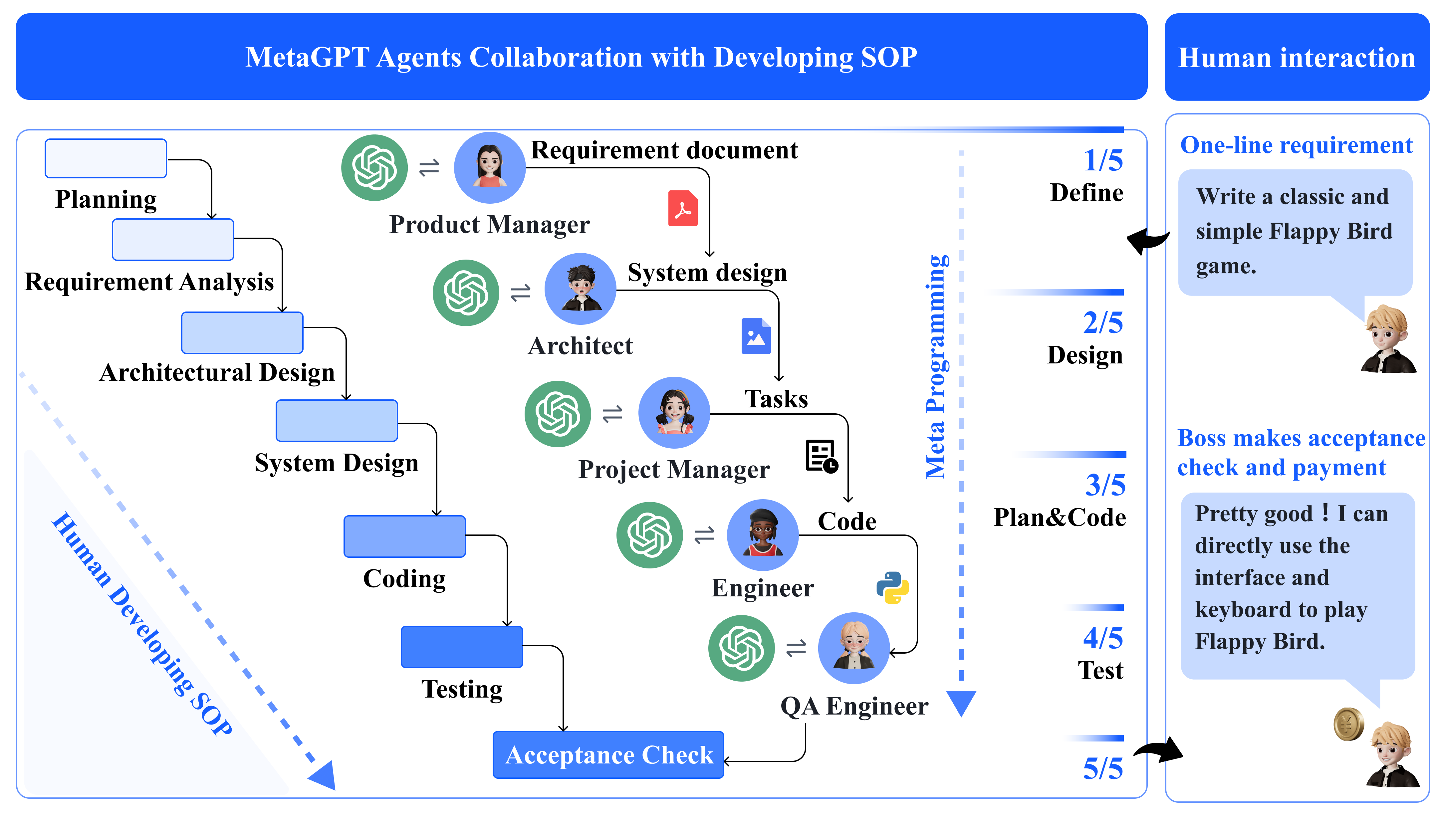
Figure 1: Overview of the paper's method and key components. From the original paper; copyright remains with the authors.
Core equations
The defining mechanism is the workflow, not one loss. Locally it is an ordered state transition:
Paper results
On collaborative software-engineering tasks such as HumanEval and MBPP, the paper reports more coherent and executable results than chat-based multi-agent systems. No production online A/B test is reported.
Local reproduction
Each episode creates a real temporary Python repository. Four roles write structured artifacts; engineering edits files and QA runs a fixed python -m unittest -q regression command.
See the stable metrics.
Reproduction boundaries
The local implementation retains SOPs, role deliverables, real edits, and testing. It does not reproduce full MetaGPT LLM dialogue or official SWE-bench Lite. Fixtures check only the executable path and auditable trace.