Athanor: An Agent System for Autonomous Post-Training Research
简体中文 · English
Research reference only. The full experiments exceed the cost budget and were not reproduced (review complete). No complete research campaign is run, and the existing Evolve controller is not relabeled as Athanor.
Paper information
| Field | Details |
|---|---|
| Paper | arXiv 2610.21055; pinned v1 PDF |
| Affiliations | First author Yufa Zhou: ByteDance / Duke University; additional collaboration with University of Chicago and Virginia Tech. |
| First public release | 2026-10-15 00:56:33 UTC (arXiv v1; announced on 10-16) |
| Authors' code | The paper describes the system as open. A usable complete official source repository and license were not verified during this review, so it is not marked as open source. |
| Local adapter / stable key | athanor (reference key, no executable adapter) |
| Local implementation | No algorithm implementation; only this write-up and catalog metadata. |
| Acceptance status | Full experiments not reproduced, review complete; no local model scores. |
Original paper summary
Background and main changes
Research agents choose data, training algorithms, and combinations of training stages. A separate service executes asynchronous jobs, decontaminates data, freezes evaluation, and records checkpoint lineage. The team shares experiment records and models and combines SFT, RL, model merging, and self-distillation. Calls to external teachers are prohibited.
Architecture and data flow
flowchart TD
  H[Persistent experiment records and checkpoint lineage] --> A[Research-agent team]
  A --> R[Executable training recipe]
  R --> E[Asynchronous training and decontamination service]
  E --> V[Frozen development evaluation]
  V --> H
  E --> T[Isolated final held-out evaluation]
Key figure from the paper
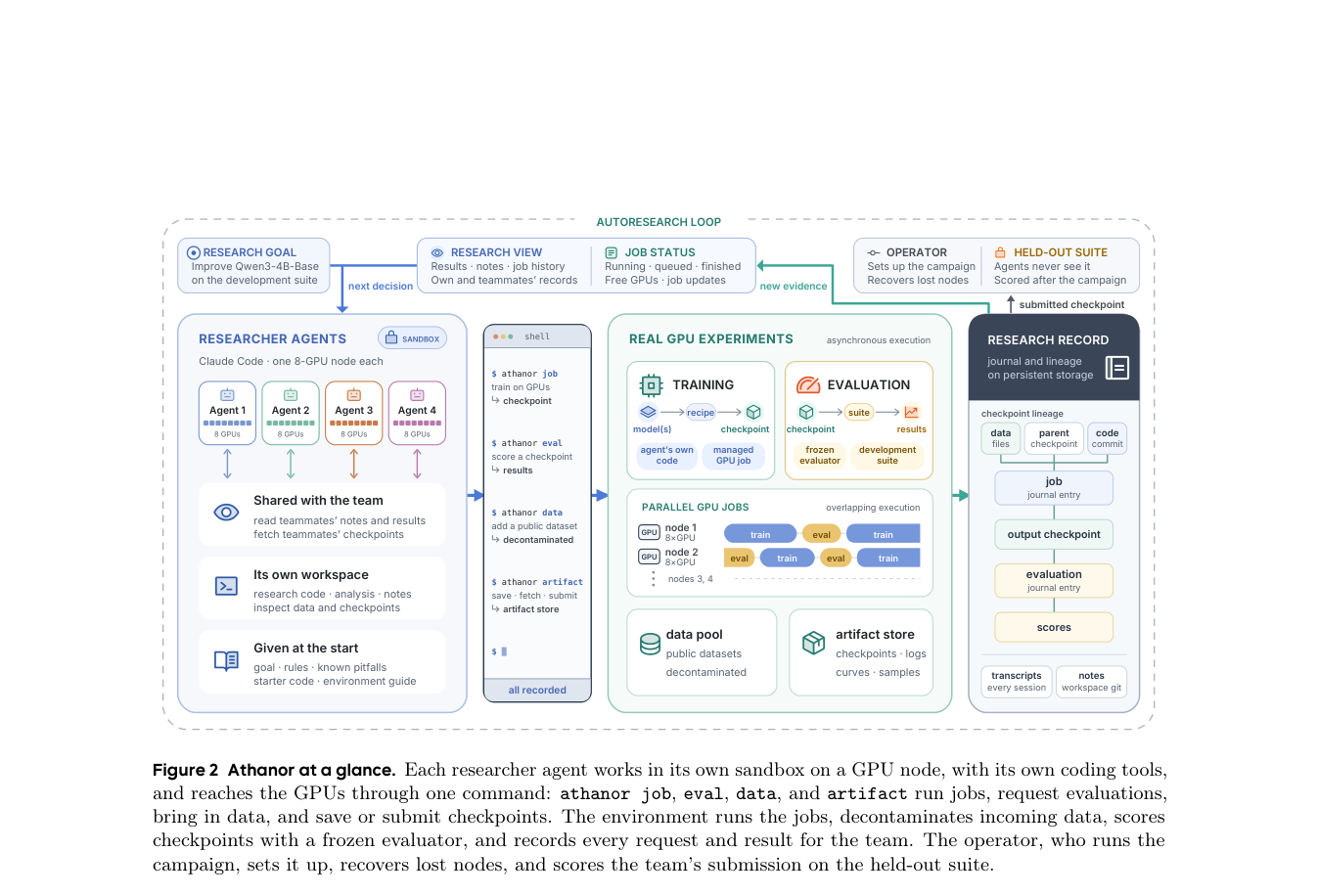
Figure 2 from the paper: Overall method design and key components. The figure comes from the original paper, © the original authors. Select the image to see the source.
Core equations
Section 2 separates outer-loop research from inner-loop training:
Development scores are noisy, so the highest single score is not true capability. The final held-out data is not exposed to research agents.
Reported offline and online results
The authors report a 104-hour research process with four agents. A formal comparison must distinguish the campaign protocol, three-seed means of submissions, and later re-evaluation under unified decoding. Do not conflate the best single search score with the final result. The paper also notes insufficient data-correctness checks.
No production online A/B test was reported. An autonomous research campaign is not a production deployment experiment.
Local reproduction
This entry provides only the paper explanation and the original figure. The paper uses four commercial research agents, each with an eight-GPU node, at a total cost of about USD 12,000. This exceeds the available single A100/A30 resources, so no probe was launched. The full experiments were not reproduced (review complete).
Reproduction limits
There is no implementation of research automation, benchmark score, or GPU receipt. A reference link does not establish Evolve integration. See the batch acceptance contract (Chinese) for scope.