Telescopic Language Models
L1 random-depth and full-anchor gradient diagnostic; no 20B-token pretraining.
Paper information
| Field | Details |
|---|---|
| Paper | Telescopic Language Models |
| Institution | University of Cambridge (first author). |
| First public release | 2026-09-28 (arXiv v1) |
| Author code | No public author repository found as of 2026-09-30. |
| Local adapter or method key | telescopic-lm |
| Local reproduction code | src/auto_research/foundation_latest_20260930_closure.py |
Paper method and evidence
Sample a network-depth prefix each step for next-token supervision while preserving a full-depth anchor. The goal is to make every supported depth of one checkpoint usable as a language model.
flowchart LR
  D[Sample one depth prefix] --> N[Next-token supervision]
  F[Retain full-depth anchor] --> U[Shared checkpoint update]
  N --> U
Original paper figure
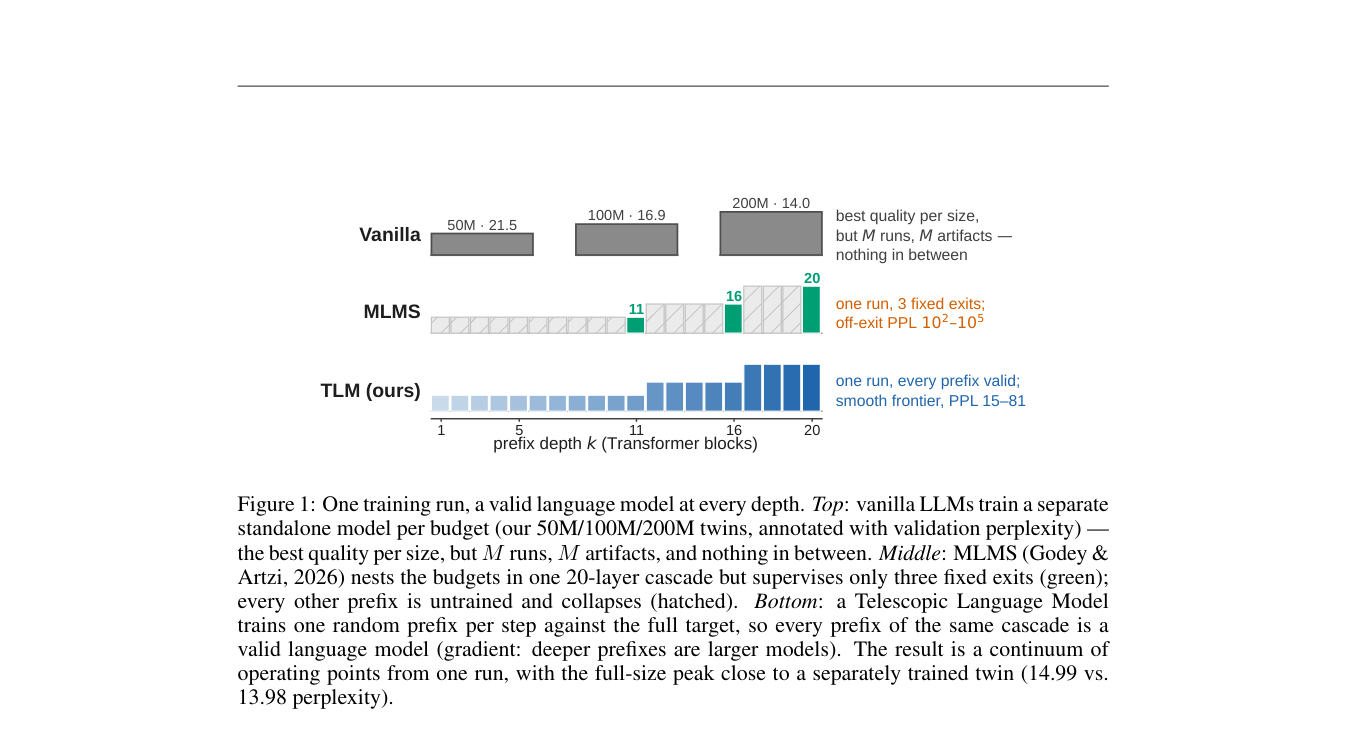
Figure 1 shows sampled-depth and full-depth training. From the original paper; copyright remains with the authors.
Core equation
The reference checks both gradient paths and tests gradient isolation, type boundaries, and determinism.
Reported results
Paper benchmarks, speed and training curves are not local fixture results.
Local reproduction
The three-seed reference tests check the operator, shapes, boundaries, and state invariants under a fixed fixture budget. These are diagnostic_only=true, not paper-scale outcomes or online gains.